

The journey towards economic decolonization in Africa is a complex and multifaceted process that seeks to address the historical injustices left by colonial rule. This article explores the challenges and opportunities that African nations face as they strive for economic independence and sustainable growth. By understanding the historical context, current obstacles, and potential pathways for development, we can better appreciate the significance of economic decolonization for the future of the continent.
Key Takeaways
- Economic decolonization is crucial for Africa’s growth and independence.
- Colonial history has created lasting economic challenges, including dependency on raw materials.
- Political instability and corruption hinder progress in many African nations.
- There are significant opportunities for growth through economic diversification and education.
- International support can play a role, but it must be effective and not create dependency.
Historical Context of Economic Decolonization in Africa
Colonial Economic Structures
The partition of Africa by European powers created economic systems that primarily benefited the colonizers. These structures were designed to extract resources rather than develop local economies. For instance, many African nations were forced to rely on a few primary commodities, which made them vulnerable to global market fluctuations.
Post-Independence Economic Policies
After gaining independence, many African countries adopted policies aimed at economic self-sufficiency. However, the legacy of colonialism often hindered these efforts. Some nations struggled to establish stable economies due to the lack of infrastructure and skilled labor. Despite these challenges, a few countries managed to achieve notable economic growth in the years following independence.
Impact of the Cold War on African Economies
The Cold War significantly influenced African economies as superpowers competed for influence on the continent. Many African nations became battlegrounds for ideological conflicts, which often led to political instability. This instability further complicated efforts toward economic decolonization, as countries faced both internal and external pressures.
The journey toward economic decolonization in Africa is marked by both challenges and opportunities. Understanding the historical context is crucial for navigating the future.
Summary
In summary, the historical context of economic decolonization in Africa is shaped by colonial legacies, post-independence policies, and the geopolitical dynamics of the Cold War. These factors continue to influence the continent’s economic landscape today.
Challenges in Achieving Economic Decolonization
Dependency on Primary Commodities
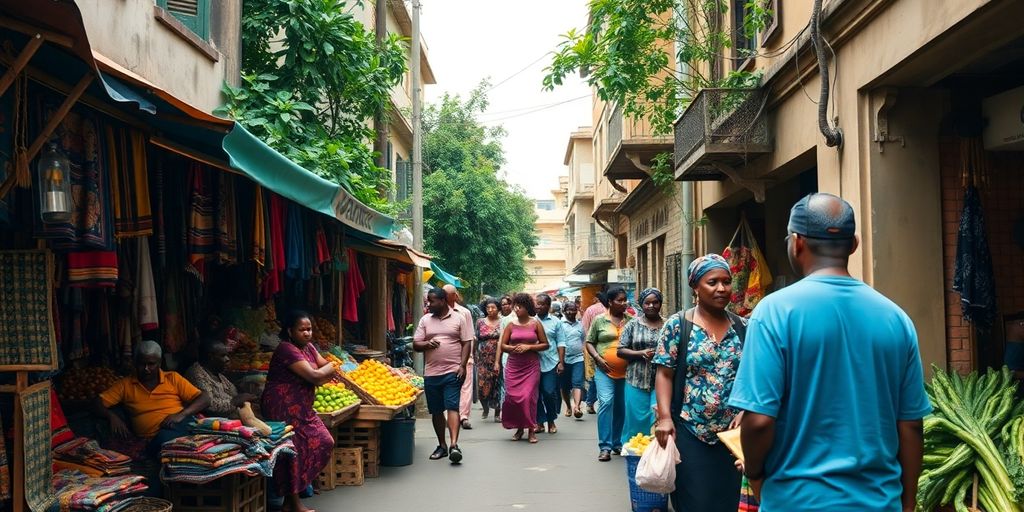
Many African nations still rely heavily on primary commodities for their economic stability. This dependency limits their ability to diversify and grow. For instance:
- Countries like Zambia depend on copper.
- Kenya relies on tea exports.
- Nigeria’s economy is largely based on oil.
This reliance can lead to economic vulnerability, especially when global prices fluctuate.
Infrastructural Deficiencies
The lack of adequate infrastructure is a significant barrier to economic progress. Many regions face:
- Poor transportation networks.
- Insufficient energy supply.
- Limited access to technology.
These deficiencies hinder trade and investment, making it difficult for economies to thrive.
Political Instability and Corruption
Political issues also pose major challenges. Many African countries experience:
- Frequent changes in government.
- Corruption that diverts resources away from development.
- Conflicts that disrupt economic activities.
These factors create an environment that is not conducive to sustainable growth.
The journey toward economic decolonization is complex, requiring a multifaceted approach to overcome these challenges.
| Challenge | Description |
|---|---|
| Dependency on Commodities | Reliance on a few exports for income |
| Infrastructural Deficiencies | Lack of roads, energy, and technology |
| Political Instability and Corruption | Unstable governments and misuse of resources |
Opportunities for Economic Growth and Development
Diversification of Economies
One of the most promising opportunities for African nations is the diversification of their economies. By moving away from a heavy reliance on a few primary commodities, countries can create a more stable economic environment. This can be achieved through:
- Developing new industries such as manufacturing and technology.
- Encouraging local entrepreneurship to foster innovation.
- Investing in agriculture to improve food security and export potential.
Regional Integration and Trade
Another significant opportunity lies in regional integration and trade. By working together, African countries can:
- Create larger markets for their goods and services.
- Reduce trade barriers to facilitate easier movement of products.
- Strengthen political ties, which can lead to more stable economies.
Investment in Education and Technology
Investing in education and technology is crucial for long-term growth. This can include:
- Enhancing educational systems to equip the youth with necessary skills.
- Promoting STEM (Science, Technology, Engineering, and Mathematics) fields to prepare a workforce for modern industries.
- Encouraging partnerships with tech companies to foster innovation.
Investing in education and technology is essential for building a sustainable future.
In conclusion, while challenges exist, the opportunities for economic growth and development in Africa are vast. By focusing on diversification, regional cooperation, and education, African nations can pave the way for a prosperous future.
Case Studies of Economic Decolonization
Ghana’s Economic Transformation
Ghana, the first African country to gain independence in 1957, has made significant strides in its economic journey. The country shifted from a colonial economy focused on cocoa exports to a more diversified economy. Key steps included:
- Investment in agriculture to boost food production.
- Development of infrastructure to support trade and industry.
- Promotion of local industries to reduce dependency on imports.
Kenya’s Path to Industrialization
Kenya’s post-independence era saw a strong push towards industrialization. The government implemented policies to:
- Encourage foreign investment in manufacturing.
- Support small and medium enterprises to create jobs.
- Enhance education and skills training for the workforce.
Despite challenges, Kenya has become a regional hub for trade and innovation.
South Africa’s Post-Apartheid Economic Policies
After the end of apartheid in 1994, South Africa faced the task of rebuilding its economy. The government focused on:
- Inclusive economic policies to address inequalities.
- Investment in technology and innovation to drive growth.
- Strengthening trade relations with other African nations.
These case studies illustrate the diverse approaches African nations have taken towards economic decolonization, highlighting both successes and ongoing challenges.
Role of International Organizations and Foreign Aid
Impact of the IMF and World Bank
International organizations like the IMF and World Bank play a significant role in Africa’s economic landscape. They provide financial assistance and policy advice to help countries stabilize their economies. However, their involvement often comes with conditions that can lead to further dependency on foreign aid.
Foreign Direct Investment
Foreign direct investment (FDI) is crucial for economic growth in Africa. It brings in capital, technology, and expertise. However, the benefits of FDI can be unevenly distributed, often favoring multinational corporations over local businesses.
Aid Effectiveness and Dependency
While foreign aid aims to support development, it can sometimes create a cycle of dependency. Here are some key points to consider:
- Short-term solutions: Aid often addresses immediate needs rather than long-term development.
- Corruption risks: Aid can be mismanaged or siphoned off by corrupt officials.
- Local capacity: Over-reliance on aid can weaken local institutions and economies.
The relationship between foreign aid and economic growth is complex. While aid can provide necessary resources, it can also hinder self-sufficiency if not managed properly.
In summary, international organizations and foreign aid have a significant impact on Africa’s economic decolonization. They offer both challenges and opportunities that need careful navigation to ensure sustainable growth.
Future Prospects for Economic Decolonization in Africa
Sustainable Development Goals
The Sustainable Development Goals (SDGs) set by the United Nations provide a framework for African nations to pursue economic growth while ensuring social equity and environmental protection. These goals encourage countries to:
- Reduce poverty and inequality.
- Promote sustainable economic growth.
- Ensure access to quality education and healthcare.
Emerging Markets and Innovation
Africa is witnessing a rise in emerging markets that are fostering innovation. This growth can be attributed to:
- Increased access to technology.
- A young and dynamic workforce.
- Growing interest from global investors.
Youth Empowerment and Entrepreneurship
Empowering the youth is crucial for economic decolonization. Initiatives focusing on entrepreneurship can lead to:
- Job creation.
- Increased local production.
- Enhanced skills development.
Investing in the youth is not just an opportunity; it is a necessity for a prosperous future in Africa.
In conclusion, while challenges remain, the future prospects for economic decolonization in Africa are promising, driven by sustainable practices, innovation, and the empowerment of young people.
Conclusion
In summary, the journey toward economic independence in Africa is filled with both hurdles and chances. The history of colonialism has left deep marks on African economies, making it hard for many nations to grow. However, there is hope. With the right strategies and support, African countries can build strong economies that benefit their people. By focusing on local resources and reducing reliance on foreign powers, Africa can create a brighter future. The path may be tough, but the potential for growth and self-sufficiency is within reach.
Frequently Asked Questions
What does economic decolonization mean for Africa?
Economic decolonization means that African countries are trying to take control of their own economies, moving away from systems set up during colonial times.
What are the main challenges Africa faces in this process?
Some big challenges include relying too much on raw materials, having weak infrastructure, and dealing with political problems and corruption.
How can Africa grow economically in the future?
Africa can grow by diversifying its economies, increasing trade between countries, and investing more in education and technology.
What are some examples of successful economic changes in Africa?
Examples include Ghana’s shift towards a more diverse economy, Kenya’s focus on building industries, and South Africa’s new economic policies after apartheid.
How do international organizations help Africa’s economic situation?
Organizations like the IMF and World Bank provide financial support and advice, but sometimes their help can create dependency.
What does the future look like for economic decolonization in Africa?
The future looks hopeful with goals for sustainable development, new markets, and empowering young people to start their own businesses.

 James F. Kollie, Jr.
I am of the strongest conviction that by focusing on diversification, regional cooperation, education, and youth empowerment, African nations can strive towards a future of economic self-sufficiency and prosperity.
LikeLike