Leveraging Liberia’s Agricultural Wealth: Opportunities for Agro-Industry Investments

Liberia’s agricultural sector is rich with potential, offering numerous opportunities for investment and growth. With its fertile land and supportive government initiatives, investors can play a significant role in transforming the agricultural landscape. This article explores the various avenues available for agro-industry investments in Liberia, highlighting key commodities, technological advancements, and sustainable practices that can drive success in this vital sector.

Key Takeaways

  • Liberia’s agriculture has vast potential due to fertile land and diverse climates.

  • Key crops for investment include rice, oil palm, and various vegetables.

  • Technology is vital for improving farming methods and efficiency.

  • Sustainable practices are essential to protect the environment and ensure long-term success.

  • Government support and partnerships can enhance investment opportunities.

Exploring the Potential of Liberia Agriculture Investment

Current State of Agriculture in Liberia

Liberia’s agriculture sector is a vital part of its economy, contributing significantly to employment and food security. The country has fertile land and a variety of climates that support diverse crops. However, many farmers still rely on traditional methods, which limits productivity.

Key Drivers for Agricultural Growth

Several factors are driving growth in Liberia’s agriculture:

  • Government support through policies and initiatives.

  • Increasing demand for local food products.

  • Opportunities for investment in modern farming techniques.

Government Initiatives and Support

The Liberian government is actively promoting agricultural development. Programs like the Smallholder Agriculture Transformation and Agribusiness Revitalization Project (STAR-P) aim to enhance productivity and support smallholder farmers. This initiative is crucial for boosting food security and economic growth.

Investing in Liberia’s agriculture not only helps the economy but also supports local communities and promotes sustainable practices.

Initiative

Description

STAR-P

Focuses on increasing productivity and commercialization of smallholder farmers.

Pro-poor Agenda

Aims to empower rural farmers and tackle poverty.

Agribusiness Support

Encourages private sector investment in agriculture.

By leveraging these opportunities, investors can play a significant role in transforming Liberia’s agricultural landscape, ensuring a sustainable future for the sector.

Key Agricultural Commodities for Investment in Liberia

Rice Production and Commercialization

Rice is a staple food in Liberia, making it a crucial area for investment. Investing in rice production can significantly enhance food security and create jobs. The government is keen on increasing local production to reduce imports.

  • Current average yield: 1.56 mt/ha

  • Target yield: 2.85 mt/ha

  • Total beneficiaries: 40,968

Oil Palm Industry Opportunities

The oil palm sector presents a lucrative opportunity for investors. With rising global demand for palm oil, Liberia’s favorable climate supports its growth.

  • Average yield of crude palm oil: 1.44 mt

  • Target yield: 2.84 mt

  • Increased sales volume: 18.54 mt

Horticulture and Vegetable Farming

Horticulture is gaining traction, especially with crops like chili peppers. This sector not only supports local diets but also opens avenues for export.

  • Average yield of chili peppers: 2.4 mt/ha

  • Target yield: 3.97 mt/ha

  • Sales volume achieved: 5.94 mt

Investing in these key agricultural commodities not only boosts the economy but also contributes to the well-being of the community. By focusing on sustainable practices, investors can ensure long-term success and environmental health.

Leveraging Technology for Agricultural Development

Advanced Farming Techniques

Modern farming techniques are changing the way agriculture is done in Liberia. Using technology can help farmers grow more food with less effort. Some of these techniques include:

  • Precision farming: This uses GPS and sensors to monitor crops and soil.

  • Drones: They can survey fields and help in planting seeds.

  • Irrigation systems: Smart irrigation saves water and ensures crops get the right amount.

Role of Agritech Startups

Agritech startups are playing a big role in improving farming in Liberia. These companies focus on:

  1. Innovative tools: They create new devices that make farming easier.

  2. Mobile apps: Farmers can access weather updates and market prices.

  3. Training programs: Startups often provide education on best farming practices.

Impact of Digital Tools on Farming Efficiency

Digital tools are making farming more efficient. Here are some benefits:

  • Better data collection: Farmers can track their crops and yields easily.

  • Market access: Online platforms help farmers sell their products directly to consumers.

  • Cost savings: Technology reduces the need for manual labor, saving money.

Investing in technology is essential for the future of agriculture in Liberia. It can lead to higher productivity and better livelihoods for farmers.

Building Sustainable Agricultural Practices

Climate-Smart Agriculture

Climate-smart agriculture focuses on practices that increase productivity while reducing greenhouse gas emissions. This approach is essential for adapting to climate change. Some key practices include:

  • Crop rotation to improve soil health.

  • Use of drought-resistant crop varieties.

  • Efficient water management techniques.

Sustainable Farming Methods

Sustainable farming methods aim to protect the environment while ensuring food security. Here are some effective methods:

  1. Organic farming to reduce chemical use.

  2. Agroforestry, which combines agriculture and forestry.

  3. Integrated pest management to control pests naturally.

Environmental Impact and Mitigation

The agricultural sector can significantly impact the environment. To mitigate these effects, it is crucial to:

  • Monitor soil health regularly.

  • Reduce water usage through efficient irrigation.

  • Promote biodiversity by planting various crops.

Sustainable agricultural practices not only help the environment but also ensure food security for future generations.

Investment Opportunities in Liberia’s Agro-Industry

Public-Private Partnerships

Investing in Liberia’s agriculture can be greatly enhanced through public-private partnerships. These collaborations can lead to:

  • Improved infrastructure for farming.

  • Access to government resources and support.

  • Shared risks and benefits between public entities and private investors.

Funding and Financial Support

Various funding options are available for investors in Liberia’s agro-industry. These include:

  1. International grants and loans from organizations like the World Bank.

  2. Local government incentives for agricultural development.

  3. Private investment funds focusing on agribusiness.

Success Stories of Agricultural Investments

Several successful agricultural projects in Liberia highlight the potential for growth:

  • The Smallholder Agriculture Transformation and Agribusiness Revitalization Project (STAR-P) has increased productivity for small farmers.

  • Investments in the oil palm sector have shown significant returns.

  • Horticulture projects have improved local food supply and created jobs.

Investing in Liberia’s agriculture not only supports local communities but also offers promising financial returns. The country’s rich resources and supportive government policies create a fertile ground for agro-industry growth.

Challenges and Solutions in Liberia Agriculture Investment

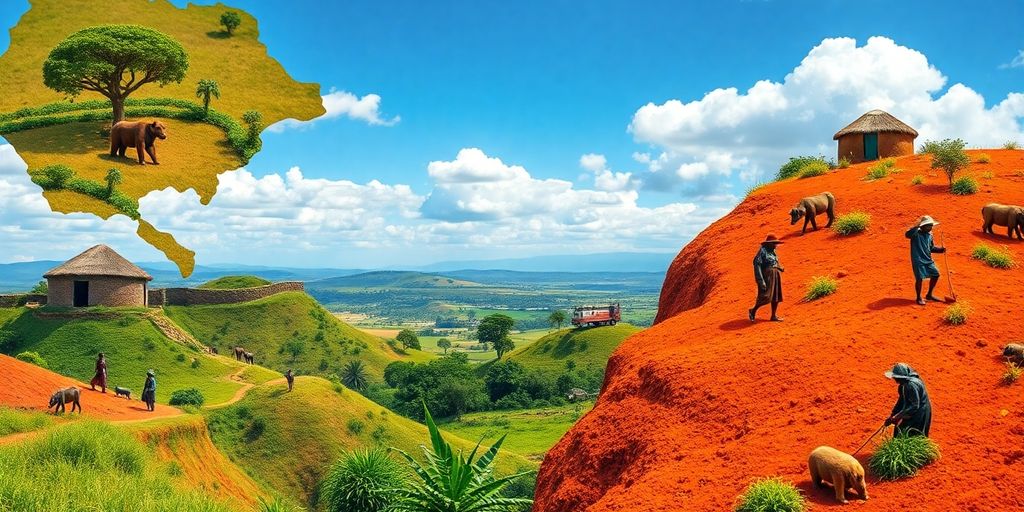
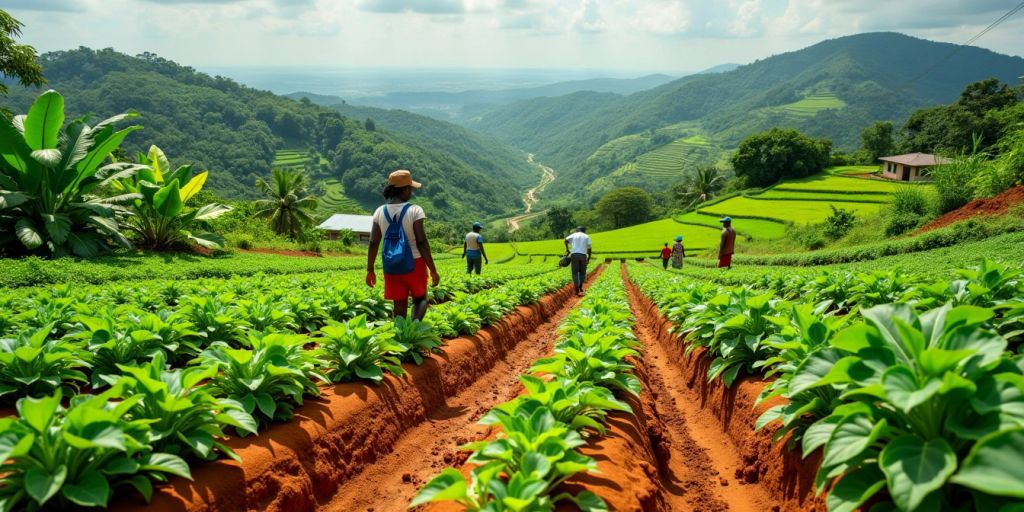
Farmers harvesting crops in Liberia's lush farmlands.

Overcoming Infrastructure Barriers

Liberia faces significant infrastructure challenges that hinder agricultural investment. Poor road conditions and limited access to markets make it difficult for farmers to sell their products. To address these issues, the government and private sector can:

  • Invest in road construction and maintenance.

  • Develop transportation networks to connect rural areas with urban markets.

  • Encourage public-private partnerships to fund infrastructure projects.

Addressing Financing Gaps

Many farmers struggle to secure funding for their agricultural projects. This lack of financial support limits growth and innovation. Solutions include:

  1. Establishing microfinance institutions to provide small loans to farmers.

  2. Offering government grants and subsidies for agricultural initiatives.

  3. Creating investment funds specifically for the agricultural sector.

Enhancing Market Access

Farmers often find it hard to reach larger markets, which affects their income. To improve market access, stakeholders can:

  • Organize farmer cooperatives to increase bargaining power.

  • Implement training programs on marketing and sales strategies.

  • Use technology to connect farmers directly with consumers.

Investing in agriculture is not just about money; it’s about building a sustainable future for Liberia’s farmers and communities.

Future Prospects for Liberia’s Agricultural Sector

Lush Liberian farmland with farmers harvesting diverse crops.

Projected Growth Trends

Liberia’s agricultural sector is expected to grow steadily in the coming years. The economy is projected to expand by 5.3% in 2024, with agriculture playing a crucial role in this growth. Key factors influencing this growth include:

  • Increased foreign investment in agriculture.

  • Government support for sustainable farming practices.

  • Improved infrastructure for transportation and market access.

Potential for Export Expansion

There is significant potential for Liberia to expand its agricultural exports. The following commodities are likely to see increased demand:

  1. Rice

  2. Oil palm products

  3. Horticultural goods

Long-Term Economic Impact

Investing in agriculture can lead to long-term benefits for Liberia’s economy. These benefits include:

  • Job creation in rural areas.

  • Enhanced food security for the population.

  • Increased income for farmers and local communities.

Investing in Liberia’s agriculture not only supports the economy but also helps build a sustainable future for its people.

Conclusion

In conclusion, investing in Liberia’s agriculture offers a unique chance to tap into the country’s rich resources. With fertile land and a strong commitment to improving food security, Liberia is ready for growth in the agro-industry. Investors can benefit from government support and innovative farming techniques. By getting involved, you not only help boost the local economy but also create a positive impact on the community. This is a great time to explore the possibilities in Liberia’s agricultural sector and make a difference while achieving good returns.

Frequently Asked Questions

What are the main agricultural products in Liberia?

Liberia mainly grows rice, oil palm, and various fruits and vegetables.

How is the government supporting agriculture in Liberia?

The Liberian government offers programs and funding to help farmers improve their production and access markets.

What are the benefits of investing in Liberia’s agriculture?

Investing in agriculture in Liberia can lead to financial returns while also helping to improve food security in the country.

What challenges do farmers face in Liberia?

Farmers in Liberia often struggle with poor infrastructure, limited access to financing, and market access.

How can technology improve farming in Liberia?

Technology can help farmers use better farming techniques, manage their crops, and connect with buyers more easily.

What is the future of agriculture in Liberia?

The future looks promising with potential for growth and export opportunities, especially with government support and investments.
Unlocking Liberia’s Investment Potential: Key Sectors for Economic Growth

Liberia, a West African nation rich in natural resources and positioned at the heart of the African continent, presents numerous opportunities for foreign investors seeking to tap into a growing economy. With a rapidly improving business environment and an abundance of key sectors ripe for development, Liberia is positioning itself as an attractive destination for foreign direct investment (FDI). This blog post will explore the most promising Liberia investment opportunities, highlighting the key sectors in Liberia that have the potential to drive long-term economic growth in Liberia.

1. Agriculture: The Backbone of Liberia’s Economy

Agriculture is the largest sector in Liberia, contributing significantly to the country’s GDP and employing a majority of its population. With fertile land and a climate suitable for a wide range of crops, including rice, cassava, cocoa, and palm oil, there are vast investment opportunities in Liberia’s agricultural sector.

Investing in agro-processing, value-added production, and mechanization can not only boost domestic food security but also position Liberia as a key exporter within West Africa. Given the global demand for organic and sustainably grown products, the potential for growth in Liberia’s agriculture sector is immense, offering foreign investors a chance to participate in both primary agriculture and agro-industrial ventures.

2. Mining and Natural Resources: Tapping into Liberia’s Wealth

Liberia is home to vast mineral resources, including iron ore, gold, and diamonds. The mining sector has historically been one of the largest contributors to economic growth in Liberia, and it remains one of the key pillars of the country’s investment landscape.

For foreign investors, Liberia’s mining industry presents opportunities in exploration, extraction, and the development of mining infrastructure. With increasing global demand for minerals, this sector holds the potential for long-term returns, making it a crucial part of foreign direct investment in Liberia.

In addition, Liberia’s government has shown a commitment to creating a conducive business environment in Liberia by implementing reforms aimed at improving the mining sector’s transparency and governance, ensuring it remains a key sector for growth.

3. Infrastructure Development: Bridging the Gap

Liberia’s infrastructure, though improving, still presents significant opportunities for foreign investors. Investment is needed in areas such as roads, ports, energy, and telecommunications. The country is looking to rebuild its infrastructure after years of conflict, and foreign investors can play a pivotal role in providing the capital and expertise necessary to bring these projects to life.

The Liberian government has been actively promoting public-private partnerships (PPPs) as a way to encourage foreign direct investment in Liberia and drive development in key sectors. By investing in infrastructure, investors not only contribute to economic growth in Liberia but also create the backbone for future investments in other industries such as agriculture, tourism, and manufacturing.

4. Tourism: Untapped Potential

Liberia’s lush landscapes, pristine beaches, and rich cultural heritage make it an emerging destination for tourism. Although the sector is still in its infancy, the potential for growth is significant. From eco-tourism in Liberia’s national parks to the development of resorts along its coastline, there are ample investment opportunities in Liberia for foreign investors looking to capitalize on this underdeveloped sector.

With increased investment in transport and hospitality infrastructure, Liberia’s tourism industry could become a significant driver of economic growth in Liberia. The government’s focus on improving the business environment in Liberia for the tourism sector includes creating incentives for foreign investors, such as tax breaks and reduced barriers to entry.

5. Energy: Powering Economic Growth

Access to reliable and affordable energy is a key driver of economic development, and Liberia’s energy sector offers great potential for investors. The country is rich in renewable energy resources, particularly hydroelectric and solar power, and has embarked on an ambitious plan to expand its energy grid to underserved areas.

Foreign investors can tap into opportunities in power generation, transmission, and distribution, helping to close the energy gap and power industries across the country. Investment in renewable energy, in particular, aligns with global trends towards sustainability and offers long-term growth potential.

Liberia’s Improving Business Environment

A key factor in unlocking Liberia’s investment potential lies in its improving business environment. In recent years, the Liberian government has implemented reforms aimed at enhancing the ease of doing business, improving regulatory frameworks, and providing investment incentives. These reforms have made it easier for foreign investors to establish businesses, repatriate profits, and participate in joint ventures with local enterprises.

Additionally, Liberia’s membership in regional and international organizations such as the Economic Community of West African States (ECOWAS) and the World Trade Organization (WTO) provides investors with access to broader markets and trade opportunities. This improved business environment in Liberia is crucial in attracting foreign direct investment in Liberia and promoting sustainable economic development.

Conclusion: A New Frontier for Investors

As Liberia continues to recover from past challenges and focus on growth, its potential as an investment destination cannot be overstated. The country’s rich natural resources, strategic location, and commitment to reforming its business climate make it a compelling choice for investors looking to enter new markets. Whether in agriculture, mining, infrastructure, tourism, or energy, the key sectors in Liberia offer abundant investment opportunities in Liberia that can drive both profits and economic growth in Liberia for years to come.

Investors who recognize Liberia’s potential now will not only benefit from first-mover advantage but also contribute to the nation’s ongoing development, helping to shape the future of West Africa’s growing economies.

connect with us @ www.cardinalpointadvisors.net for more interesting opportunities and how to get started in Liberia

The Road to Economic Decolonization in Africa: Challenges and Opportunities

The journey towards economic decolonization in Africa is a complex and multifaceted process that seeks to address the historical injustices left by colonial rule. This article explores the challenges and opportunities that African nations face as they strive for economic independence and sustainable growth. By understanding the historical context, current obstacles, and potential pathways for development, we can better appreciate the significance of economic decolonization for the future of the continent.

Key Takeaways

  • Economic decolonization is crucial for Africa’s growth and independence.
  • Colonial history has created lasting economic challenges, including dependency on raw materials.
  • Political instability and corruption hinder progress in many African nations.
  • There are significant opportunities for growth through economic diversification and education.
  • International support can play a role, but it must be effective and not create dependency.

Historical Context of Economic Decolonization in Africa

Colonial Economic Structures

The partition of Africa by European powers created economic systems that primarily benefited the colonizers. These structures were designed to extract resources rather than develop local economies. For instance, many African nations were forced to rely on a few primary commodities, which made them vulnerable to global market fluctuations.

Post-Independence Economic Policies

After gaining independence, many African countries adopted policies aimed at economic self-sufficiency. However, the legacy of colonialism often hindered these efforts. Some nations struggled to establish stable economies due to the lack of infrastructure and skilled labor. Despite these challenges, a few countries managed to achieve notable economic growth in the years following independence.

Impact of the Cold War on African Economies

The Cold War significantly influenced African economies as superpowers competed for influence on the continent. Many African nations became battlegrounds for ideological conflicts, which often led to political instability. This instability further complicated efforts toward economic decolonization, as countries faced both internal and external pressures.

The journey toward economic decolonization in Africa is marked by both challenges and opportunities. Understanding the historical context is crucial for navigating the future.

Summary

In summary, the historical context of economic decolonization in Africa is shaped by colonial legacies, post-independence policies, and the geopolitical dynamics of the Cold War. These factors continue to influence the continent’s economic landscape today.

Challenges in Achieving Economic Decolonization

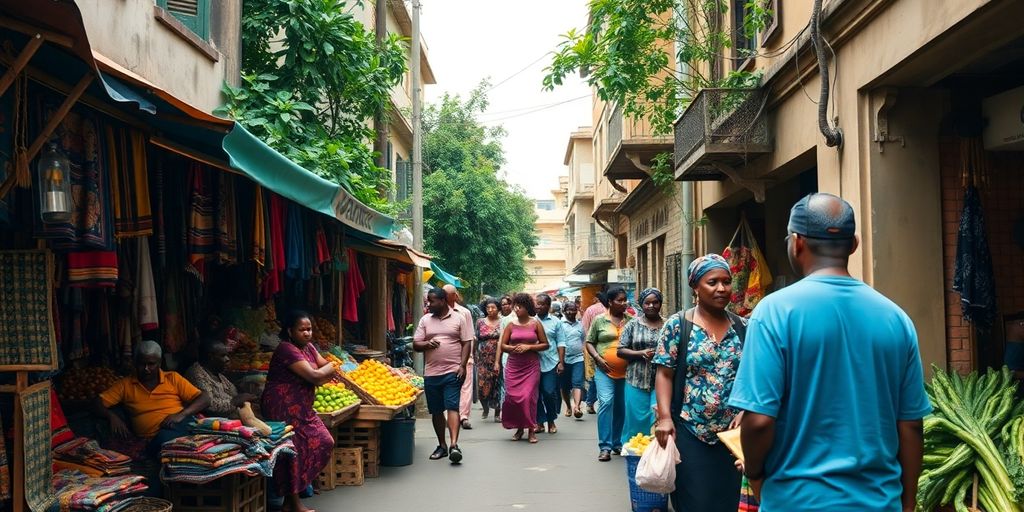
Colorful market scene in an African city.

Dependency on Primary Commodities

Many African nations still rely heavily on primary commodities for their economic stability. This dependency limits their ability to diversify and grow. For instance:

  • Countries like Zambia depend on copper.
  • Kenya relies on tea exports.
  • Nigeria’s economy is largely based on oil.

This reliance can lead to economic vulnerability, especially when global prices fluctuate.

Infrastructural Deficiencies

The lack of adequate infrastructure is a significant barrier to economic progress. Many regions face:

  • Poor transportation networks.
  • Insufficient energy supply.
  • Limited access to technology.

These deficiencies hinder trade and investment, making it difficult for economies to thrive.

Political Instability and Corruption

Political issues also pose major challenges. Many African countries experience:

  • Frequent changes in government.
  • Corruption that diverts resources away from development.
  • Conflicts that disrupt economic activities.

These factors create an environment that is not conducive to sustainable growth.

The journey toward economic decolonization is complex, requiring a multifaceted approach to overcome these challenges.

Challenge Description
Dependency on Commodities Reliance on a few exports for income
Infrastructural Deficiencies Lack of roads, energy, and technology
Political Instability and Corruption Unstable governments and misuse of resources

Opportunities for Economic Growth and Development

Diversification of Economies

One of the most promising opportunities for African nations is the diversification of their economies. By moving away from a heavy reliance on a few primary commodities, countries can create a more stable economic environment. This can be achieved through:

  • Developing new industries such as manufacturing and technology.
  • Encouraging local entrepreneurship to foster innovation.
  • Investing in agriculture to improve food security and export potential.

Regional Integration and Trade

Another significant opportunity lies in regional integration and trade. By working together, African countries can:

  1. Create larger markets for their goods and services.
  2. Reduce trade barriers to facilitate easier movement of products.
  3. Strengthen political ties, which can lead to more stable economies.

Investment in Education and Technology

Investing in education and technology is crucial for long-term growth. This can include:

  • Enhancing educational systems to equip the youth with necessary skills.
  • Promoting STEM (Science, Technology, Engineering, and Mathematics) fields to prepare a workforce for modern industries.
  • Encouraging partnerships with tech companies to foster innovation.

Investing in education and technology is essential for building a sustainable future.

In conclusion, while challenges exist, the opportunities for economic growth and development in Africa are vast. By focusing on diversification, regional cooperation, and education, African nations can pave the way for a prosperous future.

Case Studies of Economic Decolonization

Ghana’s Economic Transformation

Ghana, the first African country to gain independence in 1957, has made significant strides in its economic journey. The country shifted from a colonial economy focused on cocoa exports to a more diversified economy. Key steps included:

  • Investment in agriculture to boost food production.
  • Development of infrastructure to support trade and industry.
  • Promotion of local industries to reduce dependency on imports.

Kenya’s Path to Industrialization

Kenya’s post-independence era saw a strong push towards industrialization. The government implemented policies to:

  1. Encourage foreign investment in manufacturing.
  2. Support small and medium enterprises to create jobs.
  3. Enhance education and skills training for the workforce.

Despite challenges, Kenya has become a regional hub for trade and innovation.

South Africa’s Post-Apartheid Economic Policies

After the end of apartheid in 1994, South Africa faced the task of rebuilding its economy. The government focused on:

  • Inclusive economic policies to address inequalities.
  • Investment in technology and innovation to drive growth.
  • Strengthening trade relations with other African nations.

These case studies illustrate the diverse approaches African nations have taken towards economic decolonization, highlighting both successes and ongoing challenges.

Role of International Organizations and Foreign Aid

African communities engaged in sustainable agriculture and trade.

Impact of the IMF and World Bank

International organizations like the IMF and World Bank play a significant role in Africa’s economic landscape. They provide financial assistance and policy advice to help countries stabilize their economies. However, their involvement often comes with conditions that can lead to further dependency on foreign aid.

Foreign Direct Investment

Foreign direct investment (FDI) is crucial for economic growth in Africa. It brings in capital, technology, and expertise. However, the benefits of FDI can be unevenly distributed, often favoring multinational corporations over local businesses.

Aid Effectiveness and Dependency

While foreign aid aims to support development, it can sometimes create a cycle of dependency. Here are some key points to consider:

  • Short-term solutions: Aid often addresses immediate needs rather than long-term development.
  • Corruption risks: Aid can be mismanaged or siphoned off by corrupt officials.
  • Local capacity: Over-reliance on aid can weaken local institutions and economies.

The relationship between foreign aid and economic growth is complex. While aid can provide necessary resources, it can also hinder self-sufficiency if not managed properly.

In summary, international organizations and foreign aid have a significant impact on Africa’s economic decolonization. They offer both challenges and opportunities that need careful navigation to ensure sustainable growth.

Future Prospects for Economic Decolonization in Africa

Sustainable Development Goals

The Sustainable Development Goals (SDGs) set by the United Nations provide a framework for African nations to pursue economic growth while ensuring social equity and environmental protection. These goals encourage countries to:

  • Reduce poverty and inequality.
  • Promote sustainable economic growth.
  • Ensure access to quality education and healthcare.

Emerging Markets and Innovation

Africa is witnessing a rise in emerging markets that are fostering innovation. This growth can be attributed to:

  1. Increased access to technology.
  2. A young and dynamic workforce.
  3. Growing interest from global investors.

Youth Empowerment and Entrepreneurship

Empowering the youth is crucial for economic decolonization. Initiatives focusing on entrepreneurship can lead to:

  • Job creation.
  • Increased local production.
  • Enhanced skills development.

Investing in the youth is not just an opportunity; it is a necessity for a prosperous future in Africa.

In conclusion, while challenges remain, the future prospects for economic decolonization in Africa are promising, driven by sustainable practices, innovation, and the empowerment of young people.

Conclusion

In summary, the journey toward economic independence in Africa is filled with both hurdles and chances. The history of colonialism has left deep marks on African economies, making it hard for many nations to grow. However, there is hope. With the right strategies and support, African countries can build strong economies that benefit their people. By focusing on local resources and reducing reliance on foreign powers, Africa can create a brighter future. The path may be tough, but the potential for growth and self-sufficiency is within reach.

Frequently Asked Questions

What does economic decolonization mean for Africa?

Economic decolonization means that African countries are trying to take control of their own economies, moving away from systems set up during colonial times.

What are the main challenges Africa faces in this process?

Some big challenges include relying too much on raw materials, having weak infrastructure, and dealing with political problems and corruption.

How can Africa grow economically in the future?

Africa can grow by diversifying its economies, increasing trade between countries, and investing more in education and technology.

What are some examples of successful economic changes in Africa?

Examples include Ghana’s shift towards a more diverse economy, Kenya’s focus on building industries, and South Africa’s new economic policies after apartheid.

How do international organizations help Africa’s economic situation?

Organizations like the IMF and World Bank provide financial support and advice, but sometimes their help can create dependency.

What does the future look like for economic decolonization in Africa?

The future looks hopeful with goals for sustainable development, new markets, and empowering young people to start their own businesses.

Achieving Post-Colonial Economic Independence: The Future of Africa’s Economies

This article explores the journey of African nations towards economic independence after colonial rule. Despite gaining independence, many African countries still face challenges that hinder their economic growth. This piece discusses the historical context, current challenges, and future strategies for achieving true economic independence in Africa. It emphasizes the need for diversification, innovation, and stronger international trade relations to create a brighter future for African economies.

Key Takeaways

  • Many African countries still feel the effects of colonialism, which impacts their economies today.
  • Neocolonialism creates ongoing challenges, making it hard for African nations to become fully independent.
  • Developing local industries and embracing technology can help African economies grow.
  • International trade and investment are crucial for Africa’s economic future, but they must be balanced carefully.
  • Successful examples from countries like Ghana and Rwanda show that smart policies can lead to economic independence.

Historical Context of Post-Colonial Economic Independence in Africa

Colonial Legacies and Economic Structures

The colonial past of Africa has left deep scars on its economic systems. Many countries inherited economic structures designed to benefit colonial powers rather than local populations. This has led to:

  • A reliance on raw material exports.
  • Limited industrial development.
  • Economic policies favoring foreign interests.

Early Post-Colonial Economic Policies

After gaining independence, many African nations attempted to reshape their economies. Early policies often included:

  1. Nationalization of key industries.
  2. Development plans aimed at self-sufficiency.
  3. Establishment of state-owned enterprises to control resources.

Impact of State-Owned Enterprises

State-owned enterprises (SOEs) were created to stimulate growth and protect local economies. However, they often faced challenges such as:

  • Inefficiency and corruption.
  • Heavy reliance on government funding.
  • Difficulty competing with private sectors.

The state in Africa is a colonial state, which means that the structures established during colonial times still influence modern governance and economic policies. Understanding this relationship is crucial for addressing current economic challenges.

Challenges to Achieving Economic Independence

Neocolonialism and Its Economic Impact

Neocolonialism continues to affect African nations, often keeping them in a cycle of dependency. This modern form of colonialism can be seen in various ways:

  • Foreign control over resources
  • Manipulation of local economies by multinational corporations
  • Political influence from developed nations

Debt and Dependency on Foreign Aid

Many African countries struggle with high levels of debt, which limits their ability to invest in local development. The reliance on foreign aid can create a dependency that stifles growth. Key points include:

  1. Debt servicing takes away funds from essential services.
  2. Aid often comes with conditions that may not align with local needs.
  3. Economic policies are sometimes dictated by foreign lenders.

Market Weaponization by Developed Nations

Developed countries can use their market power to influence African economies negatively. This can lead to:

  • Unfair trade practices that disadvantage local businesses.
  • Tariffs and quotas that limit African exports.
  • Economic sanctions that can cripple economies.

The interplay of these challenges creates significant obstacles for African nations striving for true economic independence. Understanding these issues is crucial for developing effective strategies to overcome them.

Strategies for Economic Diversification

Vibrant African marketplace with diverse vendors and goods.

Developing Indigenous Industries

To achieve economic independence, African nations must focus on building their own industries. This can include:

  • Investing in local businesses to create jobs.
  • Encouraging small and medium enterprises (SMEs) to thrive.
  • Supporting agriculture by promoting local food production.

Technological Cooperation and Innovation

Innovation is key to diversifying economies. Countries can:

  1. Partner with tech firms to develop new technologies.
  2. Create innovation hubs to foster creativity.
  3. Invest in education to build a skilled workforce.

Strengthening Capital Markets

A strong financial system is essential for growth. Steps include:

  • Developing local stock exchanges to attract investments.
  • Encouraging savings and investments among citizens.
  • Promoting financial literacy to help people manage their money.

To unlock Africa’s development potential, nations must diversify their economic activity and unleash people’s creativity about economic development. This is crucial for sustainable growth.

Strategy Benefits
Developing Indigenous Industries Job creation, reduced imports
Technological Cooperation Innovation, skilled workforce
Strengthening Capital Markets Increased investments, financial stability

Role of International Trade and Investment

Trade Policies and Economic Growth

International trade plays a crucial role in the growth of African economies. Trade policies can either boost or hinder economic progress. Here are some key points to consider:

  • Intra-Africa Trade: There is a pressing need to rethink the neo-liberal approach that has dominated trade policies, as it has not significantly increased intra-Africa trade.
  • Export Diversification: Countries should focus on diversifying their exports to reduce dependency on a few commodities.
  • Trade Agreements: Effective trade agreements can enhance market access and stimulate economic growth.

Impact of Foreign Direct Investment

Foreign Direct Investment (FDI) is vital for economic development in Africa. It brings in capital, technology, and expertise. Here are some benefits of FDI:

  1. Job Creation: FDI can create numerous job opportunities, helping to reduce unemployment.
  2. Technology Transfer: It facilitates the transfer of technology and skills to local businesses.
  3. Infrastructure Development: FDI often leads to improvements in infrastructure, which is essential for economic growth.

Balancing Trade Deficits

Many African countries face trade deficits, which can be detrimental to their economies. To address this issue, countries can:

  • Enhance Local Production: Focus on boosting local industries to reduce imports.
  • Promote Exports: Encourage the export of local goods to improve trade balances.
  • Negotiate Better Trade Terms: Work towards more favorable trade terms with other nations.

The future of Africa’s economies depends significantly on how well they engage in international trade and attract investment. By focusing on these areas, countries can pave the way for sustainable growth and economic independence.

Case Studies of Successful Economic Policies

Ghana’s Economic Reforms

Ghana has made significant strides in its economic policies since gaining independence. The country focused on stabilizing its economy through various reforms. Key actions included:

  • Implementing fiscal discipline to control inflation.
  • Encouraging private sector growth by reducing state control.
  • Attracting foreign investment through favorable policies.

These reforms have led to a more resilient economy, showcasing how effective policies can drive growth.

Rwanda’s Development Model

Rwanda’s approach to development is often highlighted as a success story. The government prioritized:

  1. Infrastructure development to support economic activities.
  2. Investing in education and health to improve human capital.
  3. Promoting technology and innovation to boost productivity.

Rwanda’s focus on these areas has resulted in impressive economic growth and stability.

Botswana’s Resource Management

Botswana is known for its effective management of diamond resources. The country has:

  • Established a strong regulatory framework to manage its resources.
  • Invested diamond revenues into social services and infrastructure.
  • Maintained a stable political environment, attracting investors.

This careful management has allowed Botswana to achieve one of the highest growth rates in Africa, demonstrating the importance of resource management in economic independence.

The political and economic legacy of colonialism in the post-colonial era has shaped the current landscape of African economies. Understanding these legacies is crucial for future development strategies.

Future Prospects for Africa’s Economies

Colorful African market with vendors and lively atmosphere.

Potential for Sustainable Growth

Africa has a bright future ahead, with great potential for sustainable growth. Countries are beginning to focus on:

  • Renewable energy sources
  • Sustainable agriculture
  • Eco-friendly technologies

Emerging Markets and Opportunities

The continent is witnessing the rise of new markets. This growth can be attributed to:

  1. A young and growing population
  2. Increased urbanization
  3. Technological advancements

Policy Recommendations for Economic Independence

To achieve true economic independence, African nations should consider the following:

  • Strengthening local industries
  • Reducing reliance on foreign aid
  • Promoting intra-African trade

The future of Africa’s economies depends on their ability to adapt and innovate in a rapidly changing global landscape.

Economic Indicator Current Status Year-End Target
Inflation Rate 21.4% 21.4%
GDP Growth 3.5% 4.0%
Unemployment Rate 10.5% 9.0%

Conclusion

In conclusion, for Africa to truly stand on its own economically, it must break free from the lingering effects of colonialism and neocolonialism. This means that African nations need to focus on building their own industries and diversifying their economies. By doing this, they can create jobs and keep profits within their borders. It’s also important for these countries to work together and strengthen their ties with other nations to share technology and resources. Only through these efforts can Africa hope to achieve real economic independence and compete fairly on the global stage.

Frequently Asked Questions

What does economic independence mean for African countries?

Economic independence means that African countries can manage their own economies without relying heavily on foreign aid or influence.

How has colonial history affected Africa’s economy today?

Colonial history has left many African nations with weak economies and structures that still depend on former colonial powers.

What are some challenges Africa faces in achieving economic independence?

Some challenges include reliance on foreign aid, debt issues, and economic pressures from developed nations.

What strategies can help African countries diversify their economies?

African countries can focus on building local industries, using technology, and improving their financial markets.

Why is international trade important for Africa’s economic growth?

International trade helps African countries grow by allowing them to sell their goods and attract investments from abroad.

Can you give an example of a successful economic policy in Africa?

Yes, Ghana’s economic reforms have helped the country improve its economy and reduce its dependence on foreign aid.